Quetta Water Tanker Strike Enters Fourth Day as Acute Water Shortage Deepens
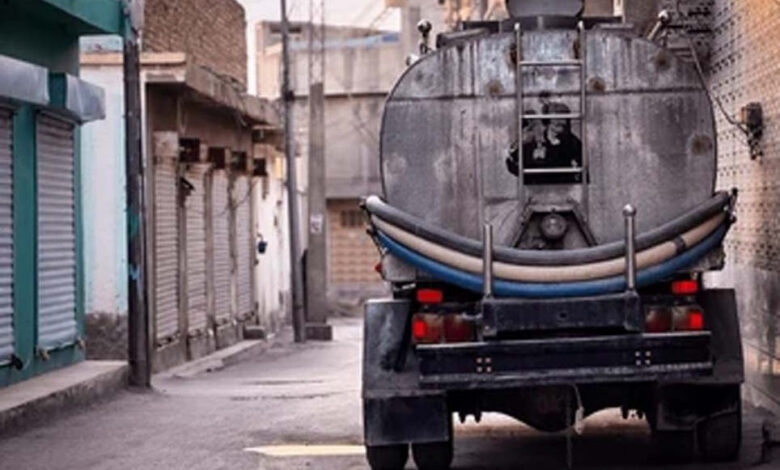
QUETTA: The water tanker association’s strike in Quetta entered its fourth consecutive day on Saturday, severely disrupting water supplies across the provincial capital and leaving thousands of residents struggling to meet their daily needs amid extreme heat.
The prolonged strike has exacerbated the city’s water crisis, with many households running out of water for drinking, cooking, bathing, ablution, and other essential purposes. Residents across several neighborhoods have reported immense hardship as the unavailability of private water tankers has made access to water increasingly difficult.


Limited supplies of water are reportedly being sold at exorbitant prices by some private suppliers, placing an additional financial burden on citizens. According to local reports, a large water tanker is being sold for as much as Rs8,000 in Hazara Town. In other areas of the city, including Sariab Road, Joint Road, Arbab Karam Khan Road, Double Road, Sarki Road, Mekangi Road, Patel Road, Jinnah Town, and Shahbaz Town, small water tankers are reportedly being sold on the black market for between Rs3,000 and Rs3,500, significantly higher than their usual prices.
Residents say the ongoing strike has subjected them to severe difficulties, with water reserves in many homes completely depleted. Women, children, and elderly citizens are among those most affected by the shortage.
People in several localities have been forced to spend hours searching for water, often without success. The prevailing heatwave has further aggravated the situation, raising concerns about dehydration and other heat-related health complications. Experts warn that the human body’s need for water increases during periods of extreme heat, making uninterrupted access to clean water all the more critical.
Citizens have alleged that certain elements are exploiting the crisis by engaging in profiteering, while accusing the district administration of failing to curb black-market sales of water. They have demanded immediate action against those involved in overcharging consumers.
Residents from various parts of Quetta have urged the Government of Balochistan, the district administration, the Water and Sanitation Agency (WASA), and other relevant authorities to hold urgent negotiations with the Water Tanker Association to end the strike and restore water supplies without delay.
They stressed that access to water is a fundamental necessity and that the government has a responsibility to provide immediate relief to the affected population.
Social and civic groups noted that Quetta experiences water shortages almost every summer, but this year’s crisis has been significantly worsened by the continuing tanker strike. They have called upon the government to formulate a comprehensive and sustainable water management strategy to prevent similar crises in the future.
Residents also warned that if water supplies are not restored soon and artificial price inflation is not brought under control, public protests could intensify, as the ongoing shortage has severely disrupted daily life and emerged as one of the city’s most pressing concerns.