Aslam Raisani Rejects Move to Abolish Kalat Division, Announces Legal Challenge
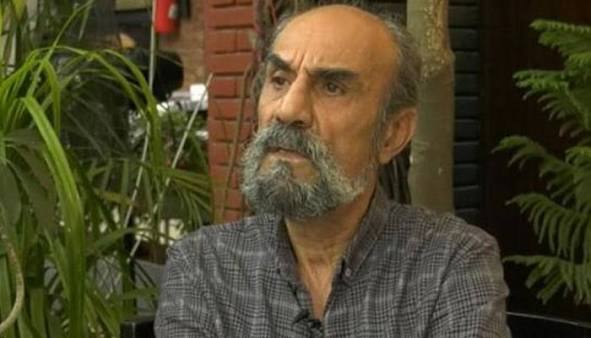
Quetta: Former Balochistan Chief Minister Nawab Muhammad Aslam Khan Raisani has strongly criticized the Balochistan government’s decision to abolish the administrative status of Kalat Division, calling it an attack on the province’s history, culture, and identity.
Speaking at a meeting held in Quetta under his chairmanship, Raisani said the government’s decision to merge Mastung District into Quetta Division and Kachhi District into Sibi Division was not merely an administrative change but an attempt to undermine Balochistan’s historical and cultural heritage.


The meeting was attended by tribal elders, political leaders, legal experts, and lawyers, including Nawab Muhammad Khan Shahwani, Sardar Asim Jan Sarparah, and several senior advocates. Participants unanimously rejected the government’s notification and expressed serious concerns over the decision.
Raisani stated that Mastung has historically, geographically, culturally, and tribally remained part of Kalat for centuries, and separating it through administrative changes amounts to distorting history. He added that the former State of Kalat has a unique historical and political identity that cannot be erased through an official notification.
Participants argued that Balochistan is already facing governance, security, and economic challenges, and that such decisions made without public consultation would only increase public dissatisfaction and unrest. They said governments around the world strive to preserve historical heritage and cultural identity, while the current decision moves in the opposite direction.
Legal experts at the meeting claimed that the government’s action is inconsistent with the relevant provisions of the Land Revenue Act, 1967, arguing that the required legal procedures, constitutional requirements, and public consultation were not fulfilled before altering administrative boundaries.
At the conclusion of the meeting, participants announced that they would challenge the decision in court and pursue all constitutional, legal, and democratic avenues to oppose the move. They also pledged to launch a public awareness campaign and unite political, tribal, social, and legal stakeholders to safeguard the historical status of Kalat Division and the identities of Mastung and Kachhi.
The participants urged the Balochistan government to immediately withdraw its decision, taking into account public sentiment, historical realities, and legal requirements.