KP Chief Minister Condemns Military Operations Without Provincial Approval, Criticizes Federal Neglect
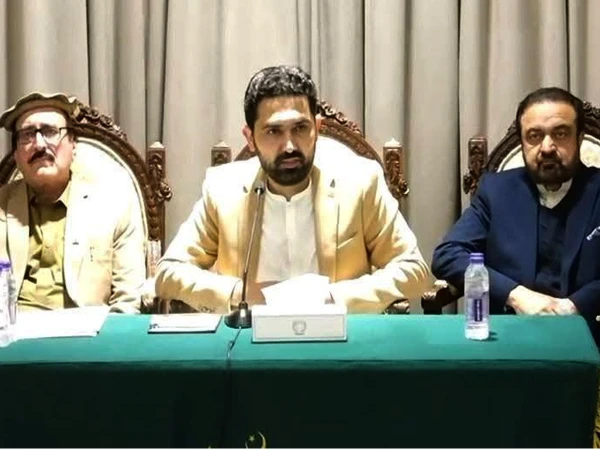
**Peshawar:** Khyber Pakhtunkhwa (KP) Chief Minister Muhammad Soheil Afridi has strongly criticized ongoing military operations in the province, saying they are being imposed without the consent of the provincial government or assembly. He also accused the federal government of failing to provide promised financial assistance to affected residents.
Addressing the provincial cabinet, Afridi highlighted the alleged mistreatment of PTI leaders, stating that former Prime Minister Imran Khan has been held in solitary confinement for over 90 days, while his wife, Bushra Bibi, has also been denied family visits and basic winter provisions. He described the federal government as operating in a dictatorial manner and treating KP unfairly.

The Chief Minister announced the decision to withdraw “Action in Aid of Civil Power” due to the federal authorities’ failure to provide details of terrorism detainees, warning that the lack of information could pose security risks. He also criticized the federal government for banning political parties under the Anti-Terrorism Act and directed a review of Schedule Four political workers for relief.
Afridi stressed that the Northern Bypass project, delayed since 2010 and now costing Rs. 31 billion, was accelerated with Rs. 5 billion from the provincial treasury. He also announced the formation of a special committee in the provincial assembly to investigate alleged electoral fraud in the February 8 elections, summoning provincial employees for questioning.
Highlighting the financial burden on the province, Afridi said KP had already spent Rs. 10 billion on operations, with potential losses reaching Rs. 100 billion, while federal support remained absent. He further warned that the operations have failed to eliminate terrorism despite 22 major operations and 14,000 intelligence operations.
Afridi concluded by stating that all stakeholders, including tribal elders and political and religious leaders, should be engaged in security matters, emphasizing the province’s right to oversee operations within its territory.