Tensions Escalate Between India and Pakistan Amid Deadly Attack in Pahalgam; Social Media War and Internet Disruptions Loom
New Delhi, May 3* — Tensions between India and Pakistan have reached new heights following a deadly attack on tourists in Pahalgam, Kashmir, which India has attributed to Pakistan. This latest escalation has raised concerns of potential warfare between the two nuclear-armed neighbors, with public discourse on social media intensifying.
Both nations are now seeing not only serious discussions on the possibility of war but also humorous memes and satirical exchanges among young people. While these light-hearted exchanges dominate platforms like Twitter, Instagram, and Facebook, the prospect of an actual conflict could have far-reaching consequences on communication infrastructure, particularly the internet.


**The Impact of War on the Internet**
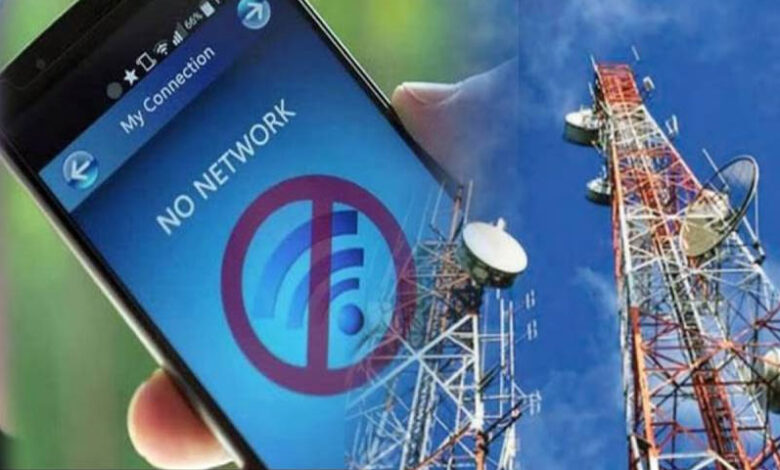
In the event of war, the internet is one of the first casualties. From disrupted communication to internet blackouts, here’s how war could potentially impact digital life for millions.
1. **Damage to Infrastructure:**
The war could directly damage critical communication infrastructure like fiber optic cables, cell towers, and data centers. Bombing or direct attacks on these facilities can severely slow down internet speeds or, in extreme cases, bring entire networks to a halt.
2. **Government-Imposed Restrictions:**
Governments in conflict zones often impose restrictions on internet access to control the flow of information. This can include complete shutdowns of the internet, or blocking access to specific websites or social media platforms. Such measures are usually aimed at curbing misinformation or restricting communications among opposing factions but can also limit ordinary citizens’ access to crucial information.
3. **Cyberattacks:**
With rising hostilities, cyber warfare becomes a major concern. Hacking groups, including state-sponsored actors, could launch cyberattacks targeting critical online services. Distributed Denial of Service (DDoS) attacks, malware, and data theft could result in the shutdown of websites and online services, further destabilizing communication networks.
4. **Power Outages:**
War often disrupts power grids, which are essential for running internet services. Data centers and network operations require a constant power supply, and any interruption in the electricity supply could lead to a collapse of internet services, particularly in areas lacking backup generators or alternative power sources.
5. **Dependence on Alternative Communication Systems:**
When traditional internet services are disrupted, people often turn to alternative communication tools like satellite internet, radio, or offline messaging apps. However, these alternatives might not be accessible to everyone, and their speed and capacity could be limited.
6. **Social and Economic Consequences:**
A widespread internet outage would severely affect economic activities that rely on online platforms, such as e-commerce, remote work, and online businesses. Educational institutions that depend on online classes and health services like telemedicine could also face significant disruptions, which would negatively impact the quality of life for citizens.
While memes and banter might dominate social media for now, the real-world implications of a conflict between India and Pakistan could bring much more than just political or social consequences—it could alter the way both nations function in the digital era.
As the situation continues to unfold, the global community remains on edge, hoping for a de-escalation of tensions before the worst becomes reality.