Bilawal Bhutto’s Real Concern Appears to Be the Possible End of Traditional Political Monopoly in Sindh: Ghareeda Farooqi
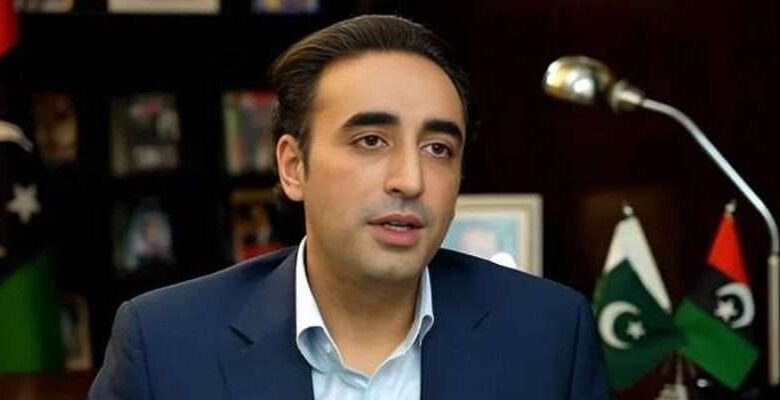
ISLAMABAD – Senior journalist Ghareeda Farooqi has said that Bilawal Bhutto’s real concern appears to be the possible end of traditional political monopoly in Sindh. Past generations of the Bhutto family maintained political authority over Sindh for decades, and the question is whether the basis of this opposition is constitutional principle or the fear of a possible reduction in political control.
Commenting on PPP Chairman Bilawal Bhutto’s remarks on X, journalist Ghareeda Farooqi asked why Bilawal Bhutto tried to please everyone through a long speech. In a detailed look at the real reasons, she said that on the issue of creating more administrative units, Bilawal Bhutto appears to be positioning himself in a relatively isolated position in the political debate.
She said debate on administrative reforms and the need for new provinces is moving forward across the country, but his stance appears limited to defending the existing provincial structure. He should clarify why the matter of better governance and public convenience is ultimately becoming a political controversy.
She said the real concern appears to be the possible end of traditional political monopoly in Sindh. Past generations of the Bhutto family maintained political authority over Sindh for decades. However, devolution of administrative powers to the lower level and the creation of new provinces or administrative units could lead to political competition, accountability and a new distribution of powers. The question is whether the basis of this opposition is constitutional principle or the fear of a possible reduction in political control.
She said the debate on administrative reforms also raises questions about the traditional political and economic interests established in Sindh. Critics have long questioned the concentration of political influence in the province, government patronage networks and alleged corruption. More administrative autonomy and devolution of powers to the local level could make local governments more accountable and weaken the hold of the traditional patronage system. Bilawal should answer these questions rather than dismissing the debate as a political conspiracy.
She said a clear contradiction is visible in the PPP’s political stance. The party holds direct governmental authority in Sindh and is also part of government affairs in the federal political system. Despite this, Bilawal often adopts the tone of an aggrieved opposition leader criticizing the very political and institutional system in which his party holds prominent influence.
She said the principle of political accountability should apply equally to government and opposition. The attempt in the speech to address almost every political segment raises a legitimate question about what the real political purpose behind it is. From journalists and media freedom to the judiciary, opposition parties, PTI and Maulana Fazlur Rehman, Bilawal tried to appear as the representative of multiple contradictory political interests at once.
But he remained silent on the basic issue of national importance — the creation of new administrative units. Political outreach cannot be a substitute for a clear stance on a fundamental national issue.
She said the sudden unusual interest in defending Maulana Fazlur Rehman also raises questions about broader political calculations. Is this merely an expression of democratic solidarity or part of some emerging political understanding to oppose new administrative units? The public should get clear answers rather than political speculation.
She said support for media freedom, judicial independence, parliamentary democracy and political dialogue is proven not merely by speeches but by consistent policy and practical governance. These principles cannot be used selectively to escape one’s own government’s performance, administrative responsibilities and political accountability.
She said it would be better for Bilawal Bhutto to engage in serious dialogue on the real subject of administrative reforms instead of trying to please every political circle. No political leader, family or party can be the permanent owner of any province or existing administrative structure.
She said the creation of new provinces or administrative units is fundamentally a matter of better governance. Its purpose is to bring administration closer to the people, improve the delivery of government services, strengthen accountability at the local level, ensure fair distribution of resources and reduce the burden of excessive centralization — which, of course, Bilawal Bhutto does not like.
She said the basic question Bilawal Bhutto will have to answer is very simple: is he defending the interests of ordinary citizens who want better governance, or does he want to preserve the existing political arrangement in which a new distribution of powers is not acceptable to him? Provinces will be created according to the people’s wishes regardless; it is better for you to understand and accept this reality as soon as possible.