How a forgotten Wallet led to invention of Credit Card
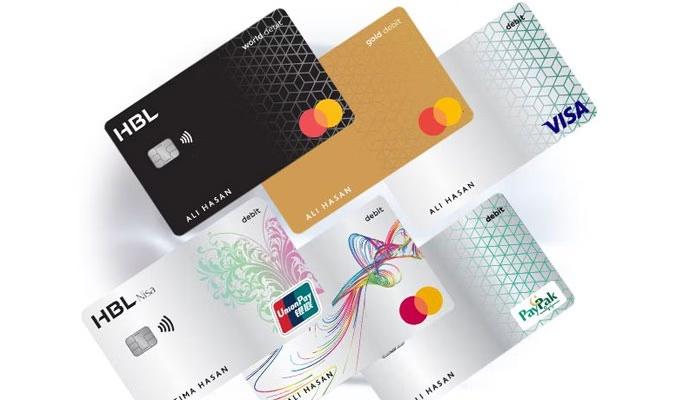
ISLAMABAD: Credit cards have become an essential part of modern life, allowing people to shop, dine at restaurants and pay bills without carrying large amounts of cash.
But have you ever wondered how the idea of the credit card originated? Its history is often linked to an incident in which an American businessman reportedly forgot his wallet at home.
The story dates back to 1949, when Frank McNamara, a businessman from New York, invited several business associates and clients to dinner at a restaurant.
When the time came to pay the bill, he realised that he had left his wallet at home. The situation reportedly left him embarrassed, and he had to call his wife to bring money to settle the bill.
This experience prompted McNamara to consider a new way of making payments. He envisioned a card that would allow customers to pay for meals and other services without cash and settle their bills later.
The Birth of the Diners Club Card
McNamara joined hands with his business partner Ralph Schneider to turn the idea into reality. In 1950, they introduced the Diners Club card, which initially allowed customers to make payments at 27 hotels and restaurants in New York. The card was different from many modern credit cards.
It was a charge card, meaning customers generally had to pay their outstanding balance in full each month rather than carry the balance forward and repay it in instalments.


The concept gained popularity, particularly among businesspeople and frequent restaurant customers. Within a year, the card reportedly had around 20,000 users, demonstrating growing demand for a convenient alternative to cash.
Banks Enter the Credit Card Market
Following the success of Diners Club, banks began exploring the potential of card-based payments. In 1958, Bank of America introduced BankAmericard, an important development in the evolution of modern credit cards.
It offered customers a revolving credit facility, allowing eligible users to carry a balance subject to the applicable terms. BankAmericard was later renamed Visa, with the Visa name formally adopted in 1976.
Credit cards gradually expanded beyond hotels and restaurants to cover retail shopping, travel and other everyday expenses.
From Magnetic Strips to Digital Wallets
Technological advancements have transformed how credit cards work. Early payment systems relied on manual processing, followed by cards featuring magnetic stripes and later embedded chips. Contactless payments subsequently made transactions faster and more convenient. Today, many cards can also be used through smartphones and digital wallets, allowing customers to make payments without physically presenting a card.
A Forgotten Wallet That Changed Payments
The story of the credit card illustrates how an everyday inconvenience can inspire a widely used financial innovation. What began with the idea of avoiding the embarrassment of being unable to pay a restaurant bill helped pave the way for a new era of cashless transactions.
Credit cards now play a major role in commerce worldwide. However, users should monitor their spending and pay their bills on time to avoid interest charges, late fees and accumulating debt.


