Brain Drain Reflects Declining Confidence in Pakistan’s Future, Says Former NADRA Chief Tariq Malik
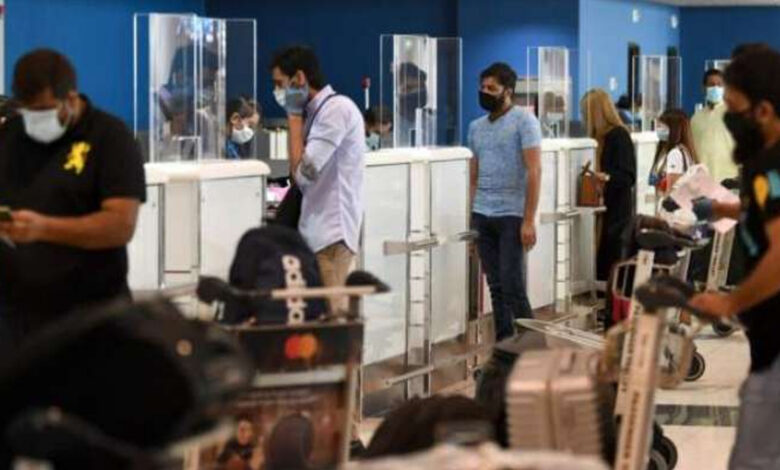
ISLAMABAD:Former National Database and Registration Authority (NADRA) chairman Tariq Malik has expressed concern over the growing migration of talented young people and skilled professionals from Pakistan, describing the trend as a sign of declining public confidence in the country’s future.
In a statement posted on social media platform X, Malik strongly criticised the narrative that the departure of skilled workers represented “brain gain” rather than brain drain.


He said doctors, engineers and information technology professionals were contributing to the gross domestic products of other countries after moving abroad, while Pakistan was celebrating their migration as a success of its education and training systems.
According to Malik, those leaving the country are educated and talented individuals, while many of those who remain are also waiting for opportunities to move abroad.
He argued that Pakistanis were not migrating solely in search of higher salaries or better economic benefits, but also in pursuit of dignity, merit-based opportunities, justice and a secure future for their children.
“When talented people begin leaving a country despite having good jobs, it is not merely a loss of skilled workers; it signals a loss of confidence in the country’s future,” he said.
### Loss of Hope More Serious Than Migration
The former NADRA chief said the real tragedy was not simply that people were leaving Pakistan, but that they were losing hope in the possibility of building a future at home.
He maintained that the decline of nations begins when talented individuals lose faith in their country’s future and its systems even before deciding to leave.
According to Malik, nations do not become poorer only when their financial resources are depleted; they also weaken when their most capable citizens begin seeking opportunities and a future elsewhere.
### Economic Consequences of Brain Drain
Referring to international research, Malik cited an International Monetary Fund (IMF) report that, according to him, found that large-scale migration of young people and skilled workers from Eastern Europe had slowed economic growth and significantly damaged productivity in the region.
He said Pakistan’s central concern should not be limited to how many dollars overseas Pakistanis send home in remittances. The country must also consider the loss of talent, innovation, leadership and future growth potential resulting from the departure of skilled professionals.
Malik acknowledged the importance of remittances in bringing foreign exchange into the country but argued that financial inflows alone could not compensate for the loss of public confidence.
He stressed that restoring trust would require Pakistan to strengthen justice, ensure merit-based opportunities and rebuild hope among its citizens.
He concluded that the challenge was not merely to manage migration or increase remittances, but to create conditions in which talented Pakistanis could see a promising future for themselves and their families at home.