New Inflation Figures Released: Petrol and Diesel Outpace Everything Else

Islamabad – Pakistan’s annual inflation rate has reached 8.62 percent, while prices recorded an overall increase of 0.23 percent during the week.
According to weekly data released by the Pakistan Bureau of Statistics, the major reason for the rise in inflation is the increase in prices of various daily-use items, including petroleum products.


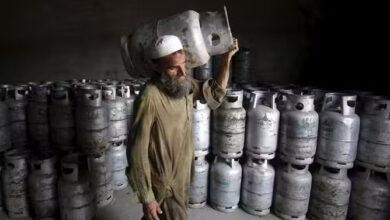
According to the report, on a weekly basis, the price of petrol increased by 6.18 percent and diesel by 5.49 percent. During the same period, LPG also became more expensive by 4.32 percent.
Among essential items, the price of moong dal increased by 0.79 percent, washing soap by 0.49 percent, and wheat flour by 0.47 percent. In addition, slight increases were also recorded in the prices of some other items, including masoor dal, mustard oil, cooking oil, banaspati ghee, and yogurt.
On the other hand, citizens also received limited relief as some essential items became cheaper. On a weekly basis, bananas recorded the largest decrease of 7.73 percent, while tomatoes fell by 5.24 percent, chicken by 4.22 percent, onions by 3.72 percent, and potatoes by 1.88 percent.
According to the data, out of 51 essential items, prices of 14 increased, 10 became cheaper, while prices of 27 remained stable.
On an annual basis, the most significant increase was recorded in the price of onions at 125.52 percent. LPG prices rose by 55.42 percent annually, diesel by 45.26 percent, and petrol by 39.10 percent.
During the same period, the price of flour recorded an increase of 30.18 percent, while electricity prices rose by 25.24 percent. On the other hand, on an annual basis, potato prices fell by 35.21 percent, chicken by 24.30 percent, and sugar by 20.88 percent.
According to the report, the average price of 50 kilograms of urea fertilizer was recorded at Rs 4,701, while the average price of a 50-kilogram bag of cement was recorded at Rs 1,546.
The latest figures show that the increase in petroleum product prices remained among the prominent factors driving weekly inflation, while the decrease in prices of some items kept the overall increase somewhat limited.