Shahzeb Khanzada, Uzma Bukhari Clash Over Controversial Amendment to Anti-Terrorism Act
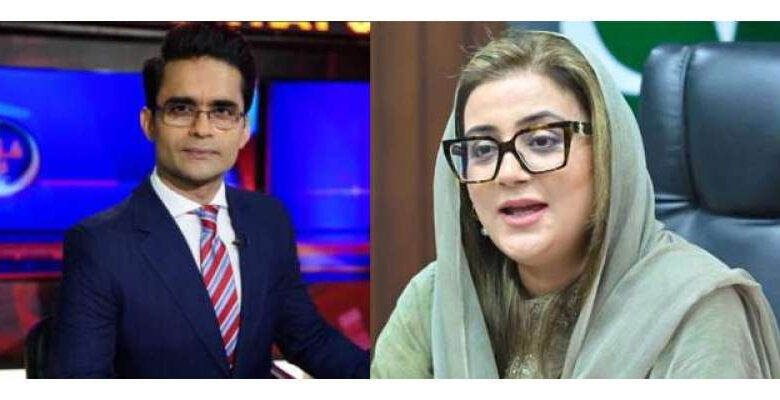
LAHORE: A heated exchange took place between anchorperson Shahzeb Khanzada and Punjab Information Minister Uzma Bukhari over a controversial amendment to the Anti-Terrorism Act recently approved by the Punjab government.
The amendment has triggered a fresh legal and political debate, particularly over the appointment and powers of a Grade-20 confidential officer who would handle matters related to special security cases.


Criticizing the legislation on his show, Shahzeb Khanzada pointed out that under the proposed mechanism, the identities of the judge, lawyer, witnesses and police officers involved in such cases would not be disclosed. He also questioned the extraordinary powers being granted to a Grade-20 government officer working under the provincial government.
Khanzada asked how an officer appointed by the government could refuse or act against the wishes of Chief Minister Maryam Nawaz.
Responding to the criticism, Uzma Bukhari said the officer would be selected from a name approved by the Home Department, after consultation with the Chief Justice, and that the officer’s identity would only be known to the Chief Justice.
Khanzada questioned whether the government would really remain unaware of the identity of an officer it itself appointed. He argued that the law did not state that the name would be finalized after consultation with the Chief Justice.
جو آفیسر آپ لگائیں گے اس کا صرف حکومت کو پتا ہو گا: شاہزیب
نہیں اس کا صرف چیف جسٹس کو پتا ہو گا حکومت کو نہیں ہو گا: عظمیٰ بخاری
لیکن حکومت ہی تو لگاۓ گی اس آفیسر کو کیسے پتا نہیں ہو گا: شاہزیب
حکومت اس آفیسر کو نامینیٹ کر کے چیف جسٹس کو بتا دے گی لیکن پتا صرف چیف جسٹس کو ہو گا:… pic.twitter.com/J2i8qwFZEH— Waqar khan (@Waqarkhan) September 3, 2026
He warned that such an officer could potentially be used against the government’s political opponents and, in the future, even against members of the government itself.
Uzma Bukhari responded that Khanzada was discussing the matter after reading only “half the lines” of the legislation.
Khanzada maintained that although the Grade-20 officer would provide case details to the Chief Justice, the officer would fundamentally be a government-nominated official.
The amendment has come under strong criticism from various quarters, with concerns being raised that provisions relating to confidential trials and the powers of a government-appointed officer could conflict with fundamental principles of human rights, transparency and access to justice.