NADRA Introduces New Chip-Free QR Code-Based National Identity Card: What Are the Benefits?
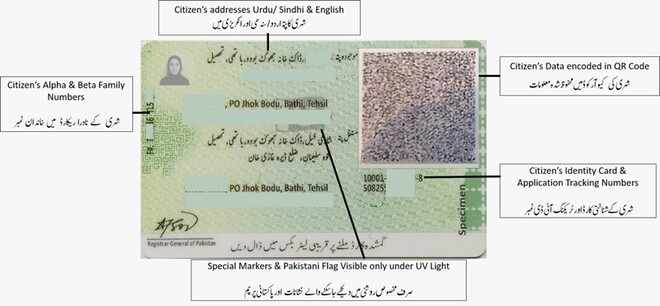
ISLAMABAD: The National Database and Registration Authority (NADRA) has introduced a new national identity card based on a secure QR code instead of a microchip, offering a simpler and potentially more cost-effective way to verify citizens’ identities.
According to a NADRA spokesperson, the new identity card is made of polycarbonate material and does not contain an imported microchip. The chip has been replaced with a secure QR code that allows the identity card to be verified using an ordinary smartphone.


The QR code on the new card can be scanned and verified through the PakID mobile application. It contains relevant identification information and the photograph of the cardholder.
The new system is also expected to reduce errors while entering names, addresses and other identification details. The card will display the holder’s name and address in both Urdu and English.
NADRA will provide QR-code verification software to authorized institutions, including telecommunications companies, banks, hospitals, Pakistan Railways, police departments and other relevant organizations.
The new identity card will also carry a family number and specific symbols identifying persons with disabilities, senior citizens, organ donors and citizens of Azad Jammu and Kashmir.
The QR code-based national identity card is being introduced in phases from August 14, 2026, replacing the existing chip-based identity card.
From January 2027, the new QR code-based system will be extended to all types of national identity cards, including the National Identity Card for Overseas Pakistanis (NICOP) and Juvenile Cards.
In the final phase, the Pakistan Origin Card (POC) will also be converted to the new chip-free, QR code-based format.
NADRA clarified that all identity cards already issued will remain valid until their respective expiry dates.
The NADRA spokesperson said the locally produced identity card would eliminate Pakistan’s dependence on imported microchips, marking a shift toward a more locally developed identity verification system.