Conflicting U.S. Statements Raise Questions Over Strait of Hormuz Shipping Status
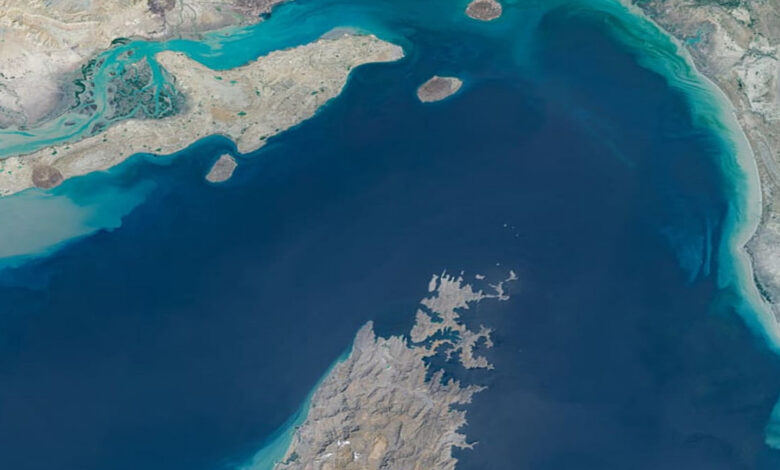
Washington:Conflicting statements from U.S. officials regarding the status of the Strait of Hormuz have sparked fresh debate over whether the strategic waterway is already fully open or whether a new agreement with Iran is still required to restore unrestricted commercial shipping.
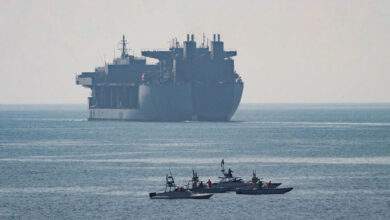
The U.S. Central Command (CENTCOM) said in a recent social media statement that, despite alleged threats from Iran, the southern shipping lane through the Strait of Hormuz remains open to commercial traffic. According to CENTCOM, U.S. forces have safely assisted more than **1,000 commercial vessels** through the route over the past three months, adding that international maritime traffic continues to operate normally.


However, U.S. Treasury Secretary **Scott Bessent** offered a different assessment during a television interview, saying that the United States and Iran could reach an agreement within the next **24 to 48 hours** that would fully reopen the Strait of Hormuz to commercial shipping.
Bessent said U.S. officials remain in contact with Iranian counterparts and expressed confidence that a deal could soon be finalized. He added that under the proposed arrangement, Iran would not impose tolls or transit fees on commercial vessels and that freedom of navigation would be guaranteed.
U.S. Secretary of State **Marco Rubio** struck a more cautious tone, saying negotiations with Iran and Oman had made progress but emphasizing that no final agreement has yet been reached.
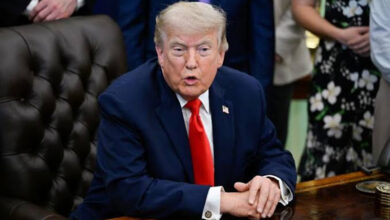
President **Donald Trump** also commented on the issue, telling reporters at the White House that the Strait of Hormuz would be “completely open” by the following day. He said the matter would soon be resolved and described reopening the waterway as the first step, with discussions on Iran’s nuclear program expected to follow.
Iran has not immediately responded to the latest U.S. statements. Tehran has previously maintained that it is not engaged in direct negotiations with Washington.
The differing messages from U.S. officials have raised important questions about the current status of shipping through the Strait of Hormuz. If commercial traffic is already moving normally, analysts ask why a new agreement to reopen the waterway is needed. Conversely, if negotiations are still underway to restore full access, the basis for claims that the route is already fully open remains unclear. These questions remain unanswered.