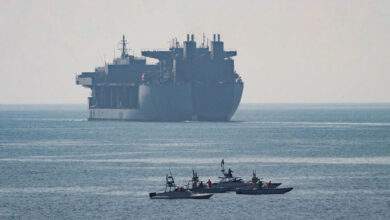
Iran Warns It Will Target U.S. Warships Using Unauthorized Routes in Strait of Hormuz
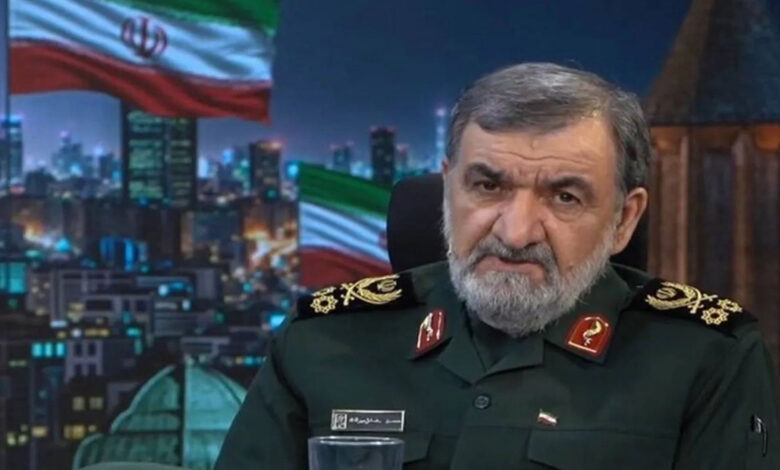
Tehran:Iran has warned that it will target U.S. warships if they enter the Strait of Hormuz through any maritime route not designated by Tehran, escalating tensions in the strategically vital waterway.
According to international media reports, the warning was issued by **Mohsen Rezaei**, a military adviser to Iran’s Supreme Leader, during an interview with Iranian state television.

Rezaei said Iran’s armed forces would not remain passive while the United States continued what he described as a naval blockade. He stressed that Tehran would not permit any alternative shipping routes through the Strait of Hormuz other than those approved by Iran.
“If the United States brings its warships into the Strait of Hormuz through an unauthorized route, we will target them,” Rezaei said.
The remarks come after the United States reportedly reinstated its naval blockade last month following the collapse of a ceasefire and memorandum of understanding between Washington and Tehran.
A spokesperson for the U.S. Central Command said that during the blockade, 44 commercial vessels were redirected, two ships were disabled, and U.S. personnel boarded and inspected two others.
Rezaei accused the United States of violating the memorandum of understanding by launching military operations instead of referring disputes to the agreed conflict-resolution mechanism.
According to the report, the United States resumed military strikes against Iran in early July after Iranian forces targeted several vessels transiting the Strait of Hormuz via routes that Tehran said had not been authorized.
Rezaei added that if Washington genuinely seeks to reduce tensions, it must fulfill its commitments under the June agreement, including releasing Iran’s frozen financial assets, declaring that it is no longer in a state of war with Iran, and ending actions that destabilize the Strait of Hormuz.
He further claimed that Iran is capable of ensuring safe maritime navigation through the Strait of Hormuz under its own security arrangements and said any positive steps by the United States would be viewed as a constructive change in policy.