Justice Mohsin Akhtar Kayani Resigns, Citing Health Issues, Personal Reasons and Conscience
Judge Says 26th and 27th Constitutional Amendments Have Compromised Judicial Independence; Warns Growing Executive Control Has Eroded Public Trust in the Judiciary
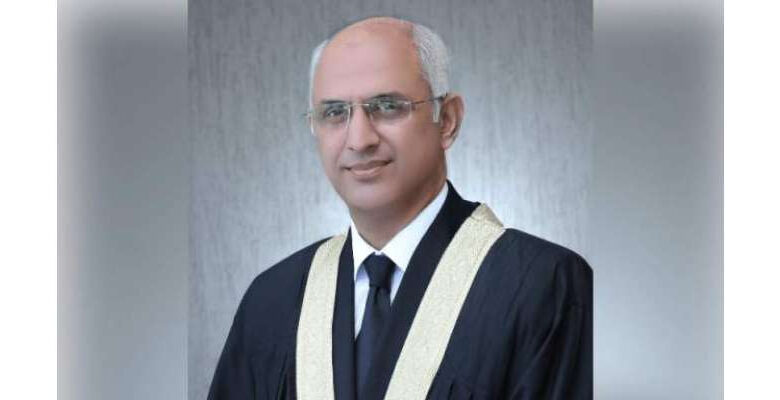
LAHORE: Senior Lahore High Court judge Justice Mohsin Akhtar Kayani has resigned from his position and sent his resignation to the President of Pakistan, citing personal reasons, health issues following a recent surgery, and the call of his conscience.
In his resignation letter, Justice Kayani expressed serious reservations about the impact of the 26th and 27th Constitutional Amendments on judicial independence, saying the changes had compromised the institutional dignity and autonomy of the high courts.


The resignation comes amid an intense legal and political debate over recent constitutional amendments and administrative decisions affecting Pakistan’s higher judiciary.
In the letter addressed to the president, Justice Kayani stated that his decision to step down was driven by personal circumstances, health concerns following a recent operation, and his conscience.
He described his service at the Islamabad High Court and Lahore High Court as an honour, adding that his years in judicial service had been among the most meaningful of his life.
بریکنگ نیوز: جسٹس محسن اختر کیانی نے اپنے استعفے میں لکھا ہے کہ ذاتی وجوہات، صحت کے مسائل اور ضمیر کی آواز پر مستعفی ہو رہا ہوں، 26ویں اور 27ویں آئینی ترامیم نے ہائیکورٹس کی آزادی اور ادارہ جاتی خودمختاری کو متاثر کیا، عدالتی اداروں میں انتظامیہ کا بڑھتا ہوا کنٹرول عدلیہ کی آزادی کے لیے نقصان دہ ہے، ججز کی تقرریوں اور تبادلوں میں مداخلت سے عدالتی نظام پر عوامی اعتماد متاثر ہوا، عام سائلین انصاف کے نظام کے بنیادی فریق ہیں لیکن ان کی مشکلات مسلسل نظرانداز ہو رہی ہیں، انصاف کے متلاشی افراد کی ضروریات نظرانداز ہو رہی جبکہ نظام سے وابستہ دیگر عناصر فائدہ اٹھا رہے ہیں، آئین سے وفاداری، عدلیہ کی آزادی اور انسانی وقار کا تحفظ عدالتی منصب کے بنیادی تقاضے ہیں، وکالت کے ذریعے عوام کے حقوق کے تحفظ اور قانونی آگاہی کے فروغ کے لیے کام جاری رکھوں گا
— Ehtsham Kiani (@ehtshamkiani) October 28, 2026
During his career, he said, he had decided more than 23,000 cases of various kinds and made every effort to uphold the Constitution, protect fundamental rights, and deliver justice without fear or favour.
Concerns Over Judicial Independence
Highlighting the principal reason behind his decision, Justice Kayani wrote that, in his considered opinion, the changes introduced through the 26th and 27th Constitutional Amendments had seriously undermined the independence and institutional dignity of the high courts.
He said he had witnessed growing executive control over judicial institutions, extending to the appointment and transfer of judges.
According to the resignation letter, such interference had significantly damaged public confidence in judicial independence and the transparency of the judicial process.
Ordinary Litigants Being Neglected
Justice Kayani also expressed deep concern over the difficulties faced by ordinary citizens seeking justice.
He observed that the common litigant was the fundamental stakeholder in the judicial system, yet the hardships faced by people seeking legal remedies continued to increase.
He said the needs of those pursuing justice were frequently overlooked, while other elements had become beneficiaries of a system originally established to serve the public.
Judge to Return to Legal Practice
Explaining the personal and professional implications of his decision, Justice Kayani stated that his conscience no longer permitted him to continue serving on the bench under the prevailing circumstances.
He described the resignation as a painful decision but said it reflected his firm belief that judicial office could not be separated from independence, loyalty to the Constitution, and the protection of human dignity.
He added that the time had come to take off his judicial robes and return to the legal profession, where he intended to continue serving the public, protecting people’s rights, and promoting legal awareness.
The resignation letter underscores Justice Kayani’s concerns about the direction of Pakistan’s judicial system and the relationship between the executive and the judiciary following the recent constitutional amendments.