Karachi Destroyed Under 18 Years of PPP Rule, New Administrative Units Inevitable: Wasim Akhtar
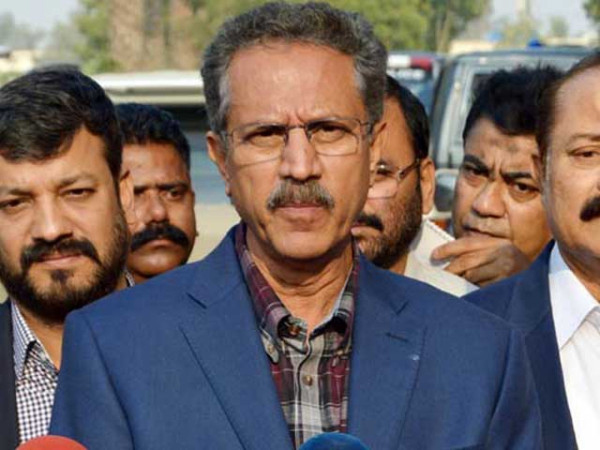
KARACHI: Muttahida Qaumi Movement-Pakistan (MQM-P) leader Wasim Akhtar has accused the Pakistan Peoples Party (PPP) government of failing to govern Sindh over the past 18 years, alleging that its policies and mismanagement have devastated Karachi. He said the establishment of new administrative units had become essential to address the city’s growing challenges.
Speaking at a press conference alongside the United Lawyers Forum, Akhtar criticised the provincial government’s performance and raised concerns over alleged irregularities in universities, fake academic degrees, recruitment practices and the legal profession.
Akhtar called on the chief secretary, chief minister, Sindh Bar Council and judiciary to take notice of what he described as serious violations of merit and institutional accountability.
Allegations of Fake Degrees and Irregularities
Referring to Shah Abdul Latif University, Akhtar claimed that a notification in his possession indicated that 1,184 lawyers held fake degrees. He alleged that individuals with fraudulent qualifications had appeared in courts and participated in Bar Council voting.
He demanded that cases be registered against those allegedly involved, urging Shah Abdul Latif University, the Sindh law minister and the attorney general to investigate the matter.
Akhtar also raised concerns over an alleged controversy involving the appointment of the dean of the Faculty of Law at the University of Karachi. He claimed that a junior lawyer without an MPhil degree had been appointed on the chief minister’s instructions.
He further alleged that irregularities in lawyers’ registrations were undermining professional standards and called on the Supreme Court to take notice of the issue.
The MQM-P leader said educational institutions and professional bodies must remain free from political interference, ethnic prejudice and discrimination. He stressed that qualified and professional lawyers were valuable assets who should not be overshadowed by alleged patronage networks.
Criticism of Governance and Public Institutions
Akhtar accused the Sindh government of damaging the education system, undermining merit and failing to address alleged irregularities in recruitment and public administration.
He also referred to reported cases of employees at Dow University of Health Sciences whose degrees were allegedly found to be fake, saying reports indicated that the salaries of 27 employees had been withheld.
Raising concerns about the revenue department, he alleged that the same plot had been sold to multiple buyers, creating complications as land records were digitised.
He also criticised the provincial government’s handling of population census figures and the electoral process in Karachi, arguing that the city’s governance problems reflected broader administrative failures.
New Administrative Units Needed for Karachi
Akhtar said Karachi’s population was exceeding four crore (40 million), arguing that the existing administrative structure was no longer capable of meeting the needs of such a large city.
He maintained that the creation of new administrative units was necessary to improve governance and public service delivery, clarifying that MQM-P was not advocating the division of Sindh.
“We are talking about administrative units, not breaking up the province,” he said, adding that MQM-P would continue to engage with residents across different areas to build support for administrative reforms.
Akhtar also referred to recent statements by Interior Minister Mohsin Naqvi regarding administrative units, saying the proposal deserved serious consideration. He pointed out that the PPP had supported the creation of new provinces in Punjab and Khyber Pakhtunkhwa.
Law and Order, Employment and Political Commitments
The MQM-P leader expressed concern over the deteriorating law and order situation in Karachi, claiming that residents faced insecurity and limited employment opportunities. He accused the provincial government of allowing jobs to be sold rather than filled on merit.
Akhtar also said MQM-P had no personal enmity with PTI founder Imran Khan. He explained that the party’s decision to support the removal of Khan’s government had been driven by assurances that Karachi’s problems would be resolved.
According to Akhtar, MQM-P was promised relief for Karachi in exchange for its support, but those commitments were not fulfilled after the vote. He referred to the roles played by PPP Chairman Bilawal Bhutto-Zardari, Prime Minister Shehbaz Sharif and Jamiat Ulema-e-Islam-Fazl chief Maulana Fazlur Rehman in the political process.
He said MQM-P would now make future voting decisions more cautiously, based on its assessment of political commitments and Karachi’s interests.
MQM-P to Contact Political Parties
Akhtar announced that MQM-P would approach political parties following the press conference to seek collective efforts to address Karachi’s problems.
Responding to criticism over the city’s past decline, he rejected allegations that MQM was responsible for Karachi’s destruction and defended his party’s record on recruitment.
He claimed that appointments made during MQM’s tenure had been based on merit and challenged the PPP government to explain why alleged shortcomings from previous administrations had not been addressed during its years in power.
Akhtar concluded by accusing the provincial government of relying on blame and excuses instead of resolving the city’s long-standing governance, employment, education and law-and-order problems.