Pakistan govt rejects IMF proposal for 18% sales tax on electric vehicles
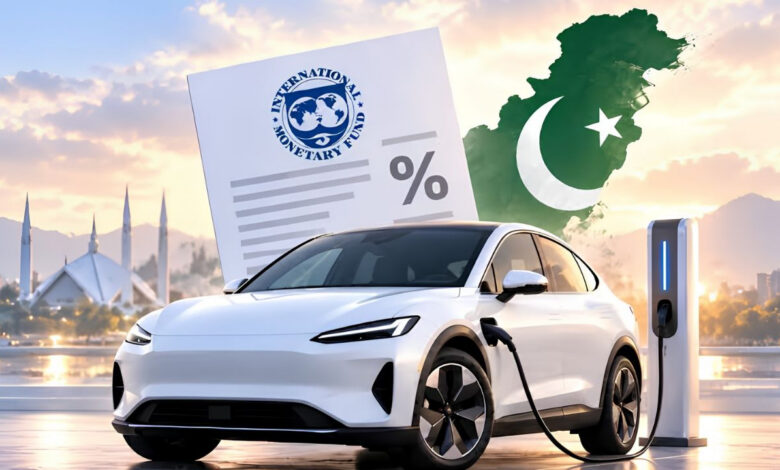
ISLAMABAD: The federal government has rejected the International Monetary Fund’s (IMF) proposal to impose an 18% sales tax on electric vehicles under the proposed Auto Policy 2026–31, while planning a phased reduction in customs duties on eligible imported electric vehicles.
As per reports, the development is outlined in the draft of the proposed six-year auto policy, which aims to promote electric mobility through changes in vehicle taxation and lower import duties on qualifying electric vehicles.

The government’s proposed policy is to reduce customs duty on eligible imported electric vehicles priced up to $75,000 from 50% to 25% initially. The draft further proposes lowering the duty to 15% by fiscal year 2030–31, with the reduction to be implemented in phases over the policy period.
The draft also proposes a 6% sales tax on range-extended electric vehicles and a 9% sales tax on plug-in hybrid vehicles. The government is also considering different tax rates for other categories of vehicles powered by alternative energy sources.
Moreover, Prime Minister Shehbaz Sharif approved the draft of the Auto Policy 2026–31 on Tuesday, according to media reports.
The six-year framework seeks to encourage the adoption of electric vehicles in Pakistan through changes to vehicle taxation and a gradual reduction in import duties on eligible electric vehicles.
The proposed measures are intended to support the transition towards electric transport. However, the final tax rates and implementation arrangements will depend on the policy’s approved provisions and subsequent implementation decisions.