Almonds Are Extremely Beneficial for Health, Effective Against Dementia Too, Say Experts
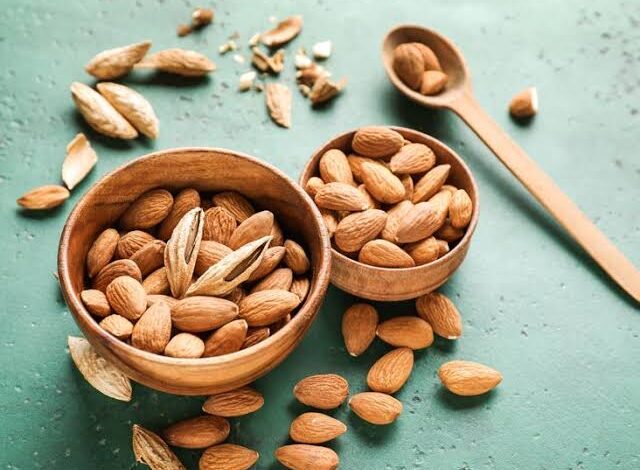
ISLAMABAD – Once considered a modest snack, almonds have now secured their place as a superfood, with emerging evidence suggesting they may also play a role in the fight against dementia, according to health experts.
While almonds gained renewed popularity as a superfood in 2026, they are nothing new. Archaeological evidence shows that almond cultivation dates back to 3000 BCE in the Middle East and Central Asia, where they were valued for their long shelf life and quick energy boost—making them an ancient energy snack.


A Seed, Not a Nut
Interestingly, almonds are technically seeds, not nuts. They come from the fruit of the almond tree and can be consumed whole, roasted, ground into butter, or processed into almond milk and flour.
Outdated Calorie Concerns Debunked
Almonds have long been viewed negatively in dieting circles due to their high calorie count. However, nutritionists now say this perception is misleading. Research has shown that when almonds are consumed whole, approximately 30% of their calories are not absorbed by the body; instead, they serve as food for beneficial gut bacteria.
Nutritional Powerhouse for Heart and Brain
More importantly, almonds are rich in Omega-6 fatty acids, monounsaturated fats, fiber, Vitamin E, and polyphenols. These nutrients are linked to better vascular health, reduced risk of cardiovascular disease, and improved brain health.
Link to Dementia Prevention
Experts highlight that maintaining healthy blood vessels is also associated with lowering the risk of dementia. According to Dr. Sarah Berry, Chief Scientist at ZOE and Associate Professor at King’s College London, nuts like almonds are a nutritional treasure trove. They contain heart-healthy fats, fiber, and bioactive compounds that improve blood vessel function and gut microbiome—both of which are increasingly linked to brain health and dementia risk.
Key Compounds
Almonds are also rich in polyphenols, which are bioactive substances that influence anti-inflammatory pathways in the body. Additionally, they contain arginine, an amino acid that helps produce nitric oxide—a compound crucial for keeping blood vessels healthy and dilated.
Disclaimer: This article is for informational purposes only. Readers are advised to consult their healthcare provider for medical guidance.